The late South Carolina senator leaves behind unfinished work, shakier alliances and a Washington that has lost one of its most energetic political intermediaries.
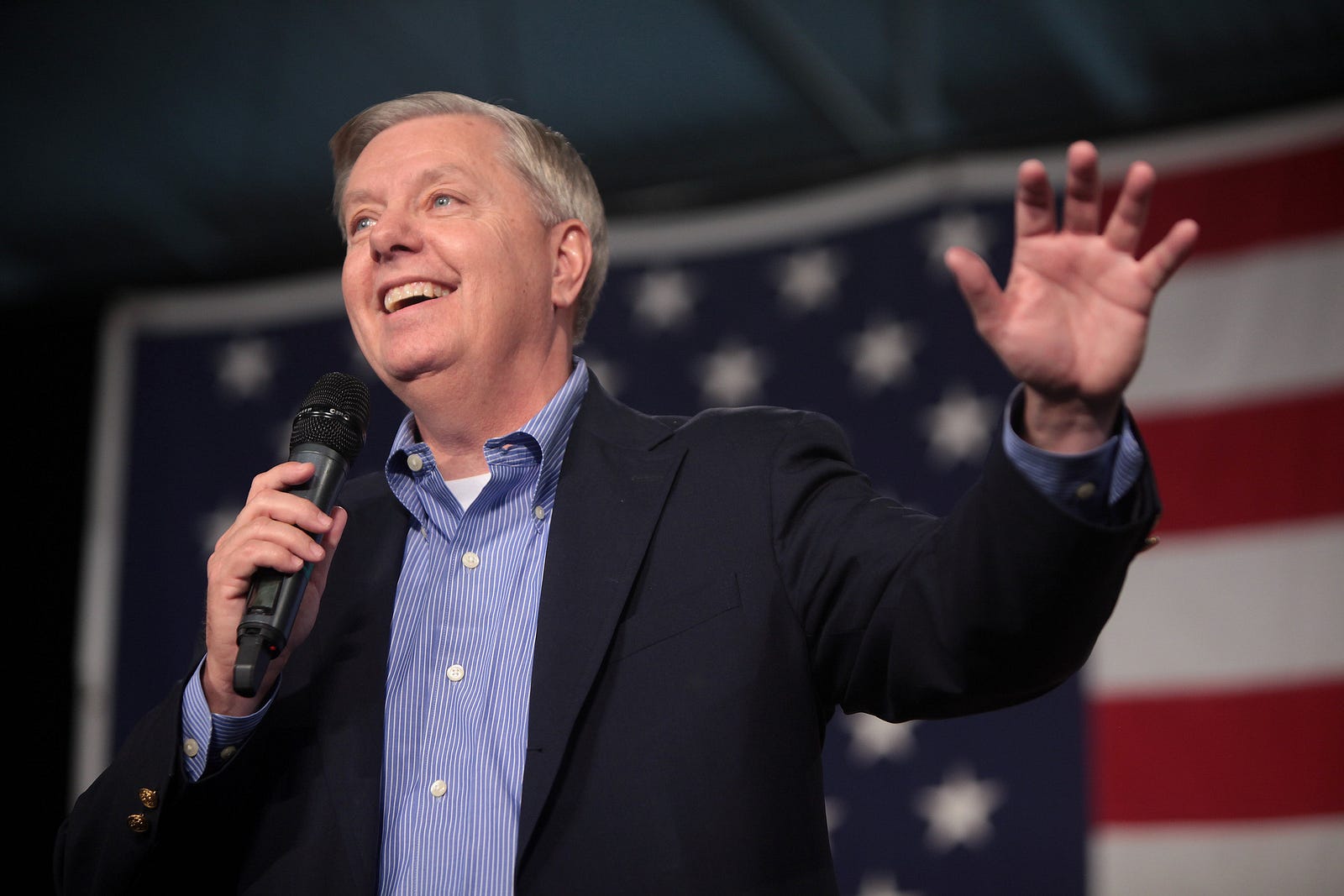
Sentor Lindsey Graham’s death at 71 has left Washington insiders reeling and at a loss.
The conventional obituary frame does not quite fit him: Sen. Graham was not retreating into the ceremonial final chapter of public life. He was not even close to retiring.
He had just won South Carolina’s Republican primary, was seeking a fifth Senate term and had returned from another visit to Ukraine. At the moment of his death, he was still campaigning, traveling, negotiating and trying to move presidents and senators toward his preferred course.
In Congress, Graham was one of Washington’s most visible foreign-policy advocates. He believed the United States could not remain secure by withdrawing from the world. He championed a strong military, NATO, Israel and Ukraine, while pressing for sustained pressure on Russia and Iran. His critics called him too eager to use American power. His admirers saw a senator who understood that deterrence fails when adversaries stop believing the United States will act.
His final days captured the unfinished nature of his work. Graham had spent years building a bipartisan sanctions bill aimed at countries helping finance Russia’s war through purchases of Russian energy. The proposal accumulated more than 80 Senate supporters. On July 10, Graham and a bipartisan group announced an agreement with the Trump administration to advance a revised version. He died the following day.
The legislation may still pass, but it has lost its most relentless advocate — the senator who could communicate with Trump, reassure traditional Republicans and work with Democrats at the same time.
Ukraine has therefore lost more than a dependable vote. It has lost a translator who could defend its cause inside a Republican Party increasingly skeptical of foreign commitments. Israel has lost one of its most outspoken Senate allies. Supporters of NATO have lost a Republican who continued defending the alliance while remaining welcome in Trump’s political world. Graham had become a rare bridge between Trump’s “America First” movement and the older Republican tradition of American leadership abroad.
Republicans have also lost a practical legislator. As Senate Budget Committee chairman, Graham helped shape the reconciliation machinery behind the party’s tax, border and spending agenda. He was still working to secure funding for immigration enforcement and remained active on judicial policy, national defense and sanctuary-city legislation. South Carolina, meanwhile, has lost decades of accumulated seniority and an experienced advocate for its military installations and federal projects.
Democrats lose a formidable partisan opponent, but some also lose a working partner. Graham could be combative, theatrical and politically flexible. Yet he maintained relationships across the aisle and could assemble coalitions that a more rigid politician could not.
That may be Washington’s largest loss. Graham connected worlds drifting apart: Trump populists and Reagan internationalists, partisan combatants and Senate dealmakers, American presidents and nervous foreign allies. His methods were imperfect, and his political evolution will remain debated. But he stayed in the arena.
Lindsey Graham was not winding down. He was still trying to steer his party, shape American power and finish work he believed essential. Washington can fill his seat. Replacing his peculiar combination of access, persistence, experience and conviction will be much harder.
(Contributing writer, Brooke Bell)